日期:2026-01-31 浏览:1628作者:曼彻斯特大学中国中心

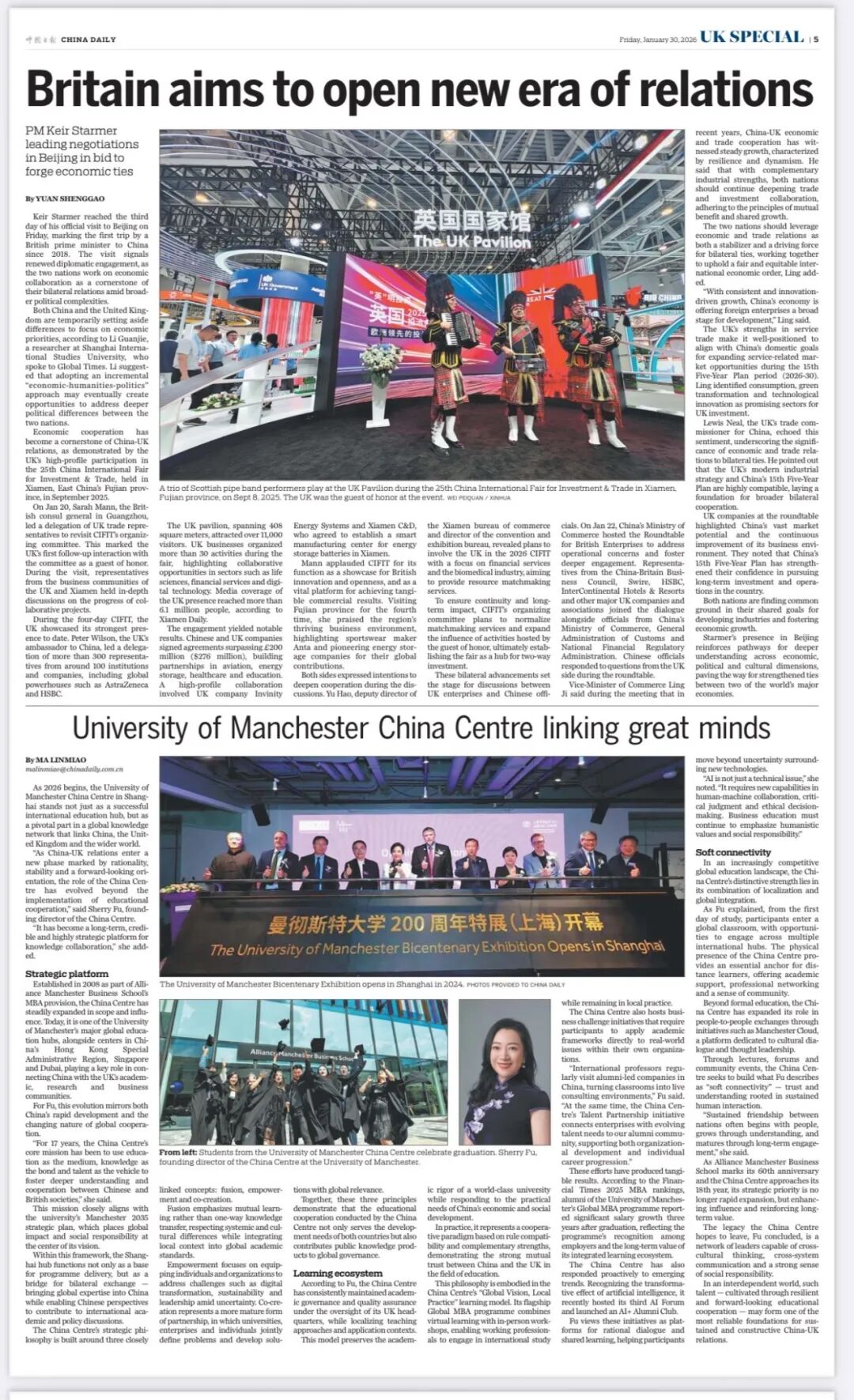
在中英关系迈向新阶段之际,曼彻斯特大学中国中心持续以教育、创新与社会责任为纽带,连接高校、产业、校友与政策界,推动务实、可持续的交流与合作。以下为1月30日【China Daily】报道。原文链接:http://epaper.chinadaily.com.cn/a/202601/30/WS697be729a310ec22b1fd226a.html
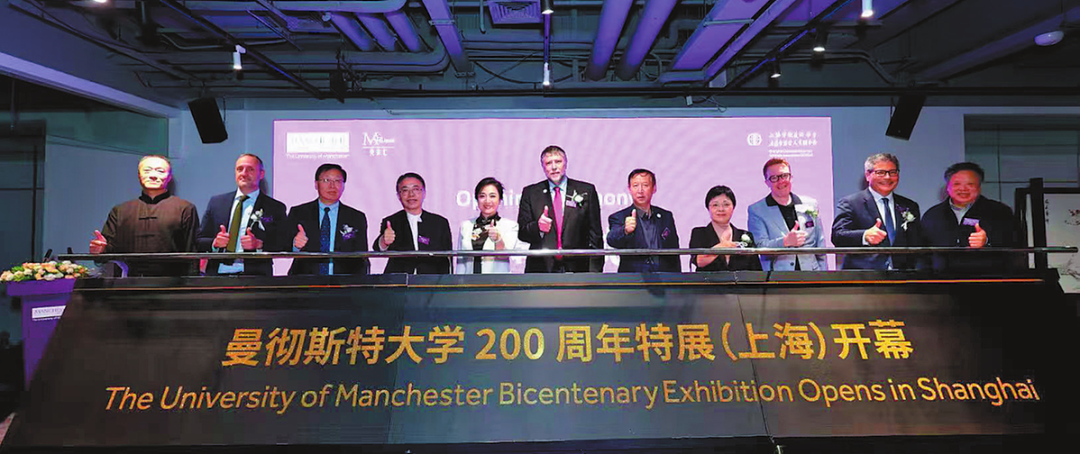
The University of Manchester Bicentenary Exhibition opens in Shanghai in 2024. CHINA DAILY
As 2026 begins, the University of Manchester China Centre in Shanghai stands not just as a successful international education hub, but as a pivotal part in a global knowledge network that links China, the United Kingdom and the wider world.
"As China-UK relations enter a new phase marked by rationality, stability and a forward-looking orientation, the role of the China Centre has evolved beyond the implementation of educational cooperation," said Sherry Fu, founding director of the China Centre.
"It has become a long-term, credible and highly strategic platform for knowledge collaboration," she added.
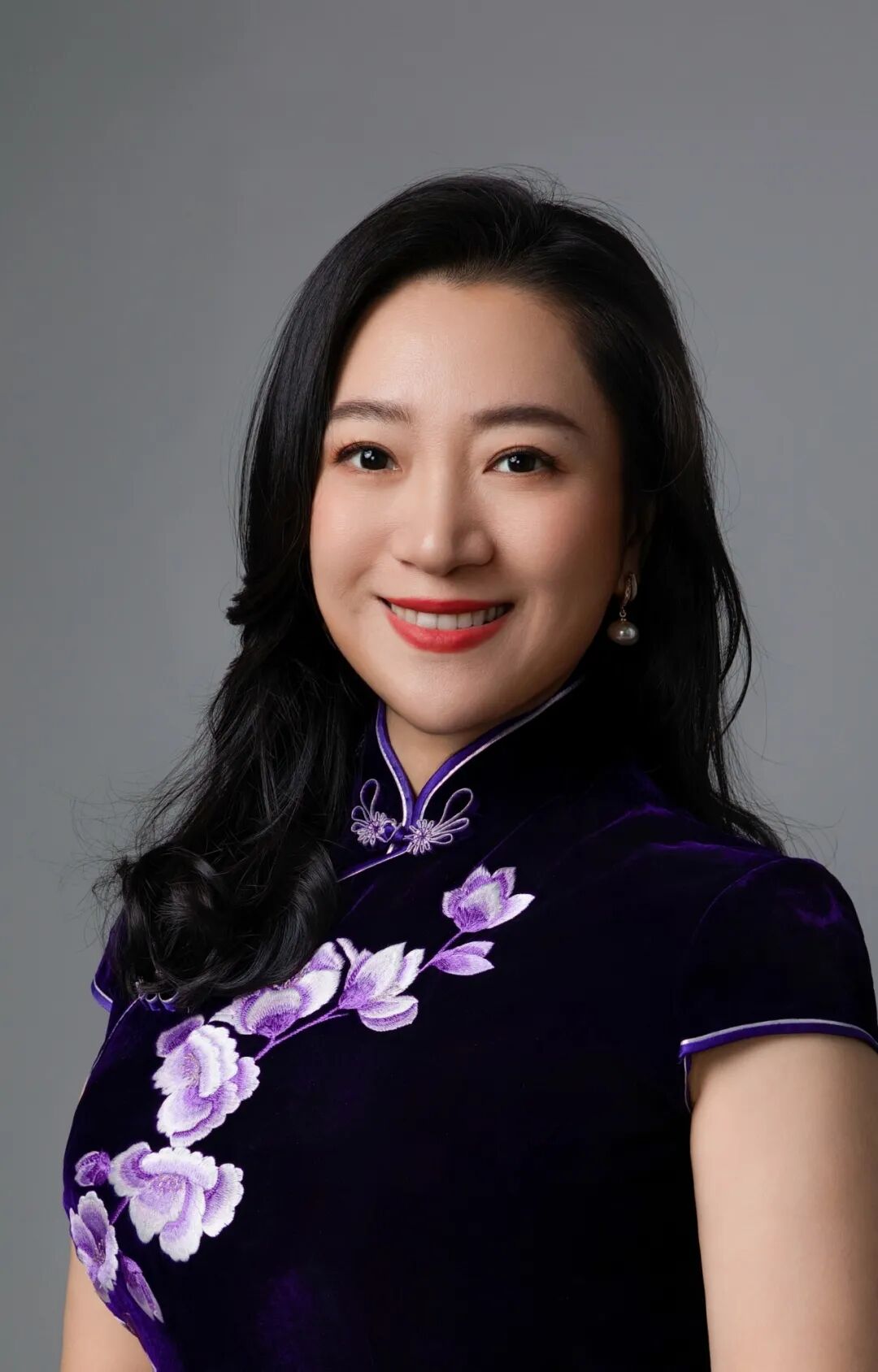
Sherry Fu, founding director of the China Centre at the University of Manchester. CHINA DAILY
Established in 2008 as part of Alliance Manchester Business School's MBA provision, the China Centre has steadily expanded in scope and influence. Today, it is one of the University of Manchester's major global education hubs, alongside centers in China's Hong Kong Special Administrative Region, Singapore and Dubai, playing a key role in connecting China with the UK's academic, research and business communities.
For Fu, this evolution mirrors both China's rapid development and the changing nature of global cooperation.
"For 17 years, the China Centre's core mission has been to use education as the medium, knowledge as the bond and talent as the vehicle to foster deeper understanding and cooperation between Chinese and British societies," she said.
This mission closely aligns with the university's Manchester 2035 strategic plan, which places global impact and social responsibility at the center of its vision.
Within this framework, the Shanghai hub functions not only as a base for programme delivery, but as a bridge for bilateral exchange — bringing global expertise into China while enabling Chinese perspectives to contribute to international academic and policy discussions.
The China Centre's strategic philosophy is built around three closely linked concepts: fusion, empowerment and co-creation.
Fusion emphasizes mutual learning rather than one-way knowledge transfer, respecting systemic and cultural differences while integrating local context into global academic standards.
Empowerment focuses on equipping individuals and organizations to address challenges such as digital transformation, sustainability and leadership amid uncertainty. Co-creation represents a more mature form of partnership, in which universities, enterprises and individuals jointly define problems and develop solutions with global relevance.
Together, these three principles demonstrate that the educational cooperation conducted by the China Centre not only serves the development needs of both countries but also contributes public knowledge products to global governance.
According to Fu, the China Centre has consistently maintained academic governance and quality assurance under the oversight of its UK headquarters, while localizing teaching approaches and application contexts.
This model preserves the academic rigor of a world-class university while responding to the practical needs of China's economic and social development.
In practice, it represents a cooperative paradigm based on rule compatibility and complementary strengths, demonstrating the strong mutual trust between China and the UK in the field of education.
This philosophy is embodied in the China Centre's "Global Vision, Local Practice" learning model. Its flagship Global MBA programme combines virtual learning with in-person workshops, enabling working professionals to engage in international study while remaining in local practice.
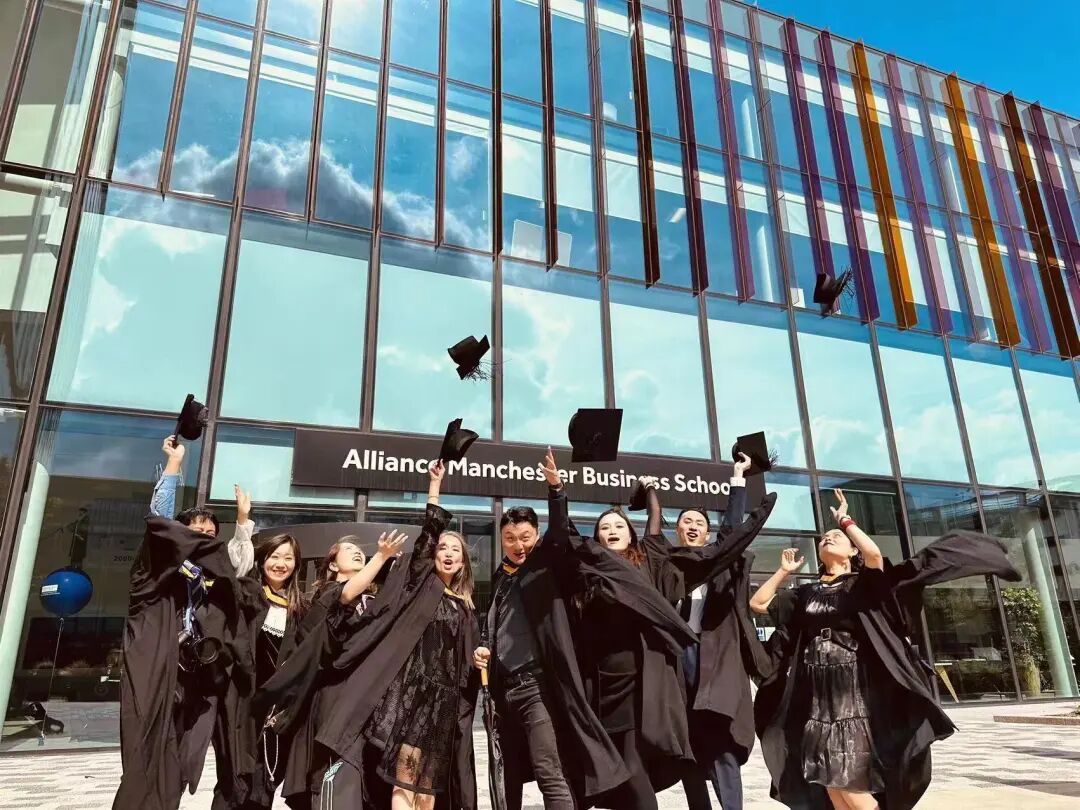
Students from the University of Manchester China Centre celebrate graduation. CHINA DAILY
The China Centre also hosts business challenge initiatives that require participants to apply academic frameworks directly to real-world issues within their own organizations.
"International professors regularly visit alumni-led companies in China, turning classrooms into live consulting environments," Fu said. "At the same time, the China Centre's Talent Partnership initiative connects enterprises with evolving talent needs to our alumni community, supporting both organizational development and individual career progression."
These efforts have produced tangible results. According to the Financial Times 2025 MBA rankings, alumni of the University of Manchester's Global MBA programme reported significant salary growth three years after graduation, reflecting the programme's recognition among employers and the long-term value of its integrated learning ecosystem.
The China Centre has also responded proactively to emerging trends. Recognizing the transformative effect of artificial intelligence, it recently hosted its third AI Forum and launched an AI+ Alumni Club.
Fu views these initiatives as platforms for rational dialogue and shared learning, helping participants move beyond uncertainty surrounding new technologies.
"AI is not just a technical issue," she noted. "It requires new capabilities in human-machine collaboration, critical judgment and ethical decision-making. Business education must continue to emphasize humanistic values and social responsibility."
In an increasingly competitive global education landscape, the China Centre's distinctive strength lies in its combination of localization and global integration.
As Fu explained, from the first day of study, participants enter a global classroom, with opportunities to engage across multiple international hubs. The physical presence of the China Centre provides an essential anchor for distance learners, offering academic support, professional networking and a sense of community.
Beyond formal education, the China Centre has expanded its role in people-to-people exchanges through initiatives such as Manchester Cloud, a platform dedicated to cultural dialogue and thought leadership.
Through lectures, forums and community events, the China Centre seeks to build what Fu describes as "soft connectivity" — trust and understanding rooted in sustained human interaction.
"Sustained friendship between nations often begins with people, grows through understanding, and matures through long-term engagement," she said.
As Alliance Manchester Business School marks its 60th anniversary and the China Centre approaches its 18th year, its strategic priority is no longer rapid expansion, but enhancing influence and reinforcing long-term value.
The legacy the China Centre hopes to leave, Fu concluded, is a network of leaders capable of cross-cultural thinking, cross-system communication and a strong sense of social responsibility.
In an interdependent world, such talent — cultivated through resilient and forward-looking educational cooperation — may form one of the most reliable foundations for sustained and constructive China-UK relations.



 EN
EN