日期:2026-07-27 浏览:181作者:UoM China Centre

Artificial intelligence and big data are fundamentally reshaping how organisations operate and make decisions. As business environments become increasingly complex, decision-making based solely on intuition and experience is no longer sufficient. By processing massive amounts of data, identifying hidden patterns, and simulating future scenarios, AI enables organisations to make faster, more objective, and evidence-based decisions.
Last week in Shanghai, Gianluigi Giustiziero, Professor of Strategy at The University of Manchester, shared his insights with executives, entrepreneurs, and business professionals on how AI is redefining competition and what organisations must do to thrive in the next wave of transformation.
 |
||||
|
Gianluigi Giustiziero |
||||
|
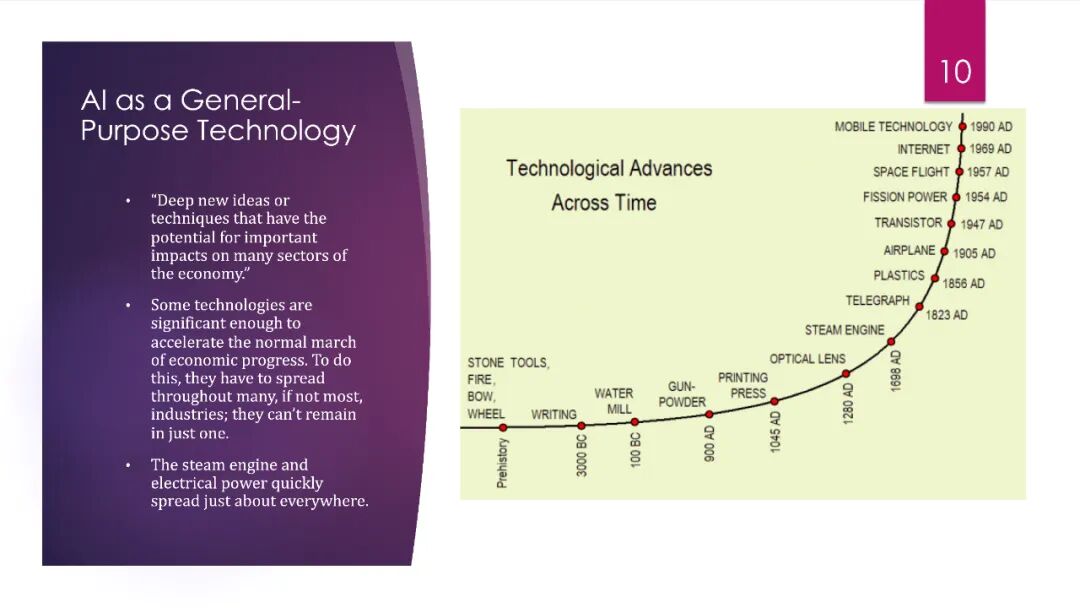
Throughout history, the most transformative technologies have been "general-purpose technologies"—innovations such as the steam engine, electricity, and the internet that spread across virtually every industry rather than transforming only one sector. According to Professor Giustiziero, artificial intelligence is following the same trajectory. Its ability to combine with technologies such as IoT and automation dramatically expands the strategic opportunities available to organisations.
Does AI favour startups or technology giants? This is one of the most thought-provoking discussions centred on this question.
On one hand, AI has significantly lowered the barriers to entrepreneurship. New ventures can launch products faster, reach customers sooner, and scale internationally much earlier than before. Recent data also shows a rapid increase in AI-native startups and faster monetisation compared with previous years.
On the other hand, AI also reinforces the advantages of established technology leaders. Companies with access to vast datasets, computing infrastructure, and capital continue to strengthen their market positions, making direct competition increasingly difficult for newcomers.
The result is not a simple story of startups replacing incumbents. Instead, AI is reshaping competition in different ways: traditional industries face increasing disruption, while dominant digital platforms continue to consolidate their leadership.
One of the session's most compelling examples was Medvi, a US healthcare startup whose founder used AI to write software, generate marketing content, build customer service systems, analyse business performance, and automate much of the company's operations, while outsourcing highly regulated activities to specialised partners.
The lesson is clear: AI does not automatically create value. Instead, it dramatically reduces the cost and time required to experiment, iterate, and discover product-market fit.
Businesses can now validate ideas more quickly, test customer demand more efficiently, and refine products at unprecedented speed.
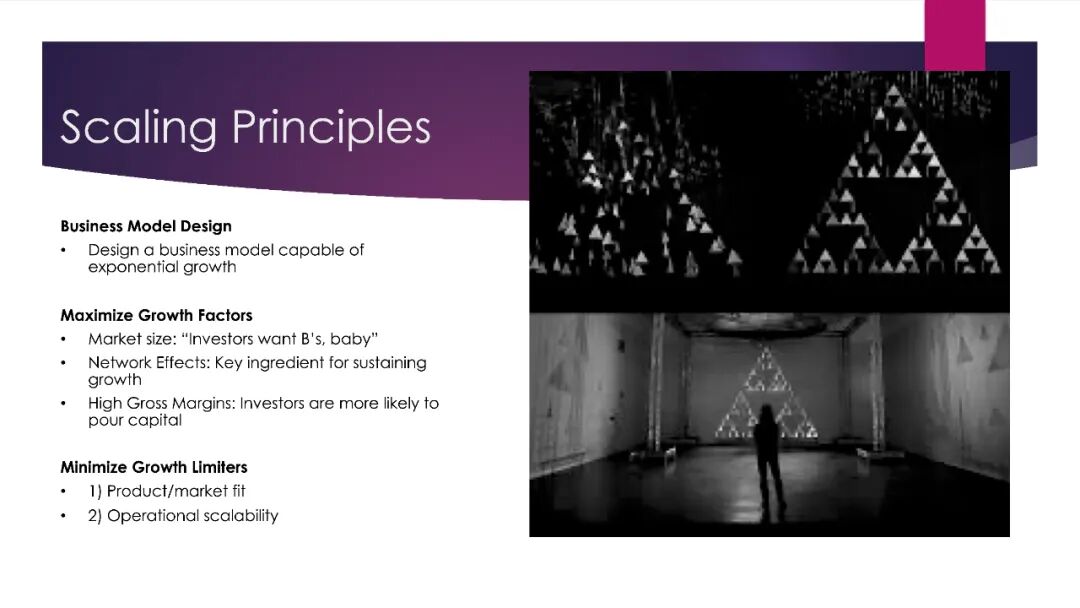
Professor Giustiziero highlighted three characteristics shared by high-growth companies:
At the same time, organisations must minimise two critical growth constraints: achieving product-market fit quickly and designing operations that can scale efficiently through automation and outsourcing.
Artificial intelligence is transforming how organisations analyse information and execute decisions, but strategy remains fundamentally human.
AI can help leaders process more information and reach conclusions faster, but it cannot determine which questions are worth asking or which direction an organisation should pursue.
Ultimately, competitive advantage in the AI era will not belong simply to organisations that adopt AI, but to those that successfully integrate AI into strategic thinking, organisational design, and business model innovation, turning technology into a sustainable capability rather than a temporary competitive tool.
As AI continues to evolve, competitive advantage will belong not simply to organisations that adopt AI, but to leaders who know how to integrate it into strategy, decision-making, and organisational transformation. In the age of AI, lifelong learning is no longer optional, it is a strategic necessity.



 EN
EN
